Life runs on two different clocks.
Read time: 3 minutes
Recently, I came across an idea called the “two-speed problem.”
The observation is simple: criticism shows up fast, while meaningful results often take much longer. The danger is that we naturally pay more attention to what arrives first.
I’ve noticed this pattern throughout my own life.
When I started writing online, feedback arrived almost immediately. Some posts received likes. Others received little attention. It was tempting to judge the value of the work based on what happened in the first few days.
But the outcomes that mattered most arrived much later.
The relationships. The conversations. The opportunities to speak with people I would never have met otherwise. None of those showed up on the day I published a post.
The same thing happened with writing a book.
The effort was immediate. The uncertainty was immediate. The sales numbers were immediate.
But many of the benefits have been slower and harder to measure. A thoughtful email from a reader. A conversation that wouldn’t have happened otherwise. A new connection formed through a shared idea.
Those things operate on a different timeline.
I think many important parts of life work this way.
In investing, market prices fluctuate daily, while a business’s value unfolds over the years.
In fitness, the workout is immediate while the results are delayed.
In relationships, trust is built slowly but can be tested quickly.
The problem is that our brains naturally focus on the signals that arrive first.
The criticism.
The doubt.
The short-term numbers.
Meanwhile, the things that matter most are often still compounding quietly in the background.
One of the challenges of building anything meaningful is learning which clock to follow.
Not every piece of feedback deserves equal attention. Not every result can be measured immediately. And not every important outcome arrives on a schedule that satisfies our need for certainty.
The older I get, the more I think patience is partly about learning to ignore the wrong clock.
Because some of the most important things in life simply take longer to reveal themselves.
—
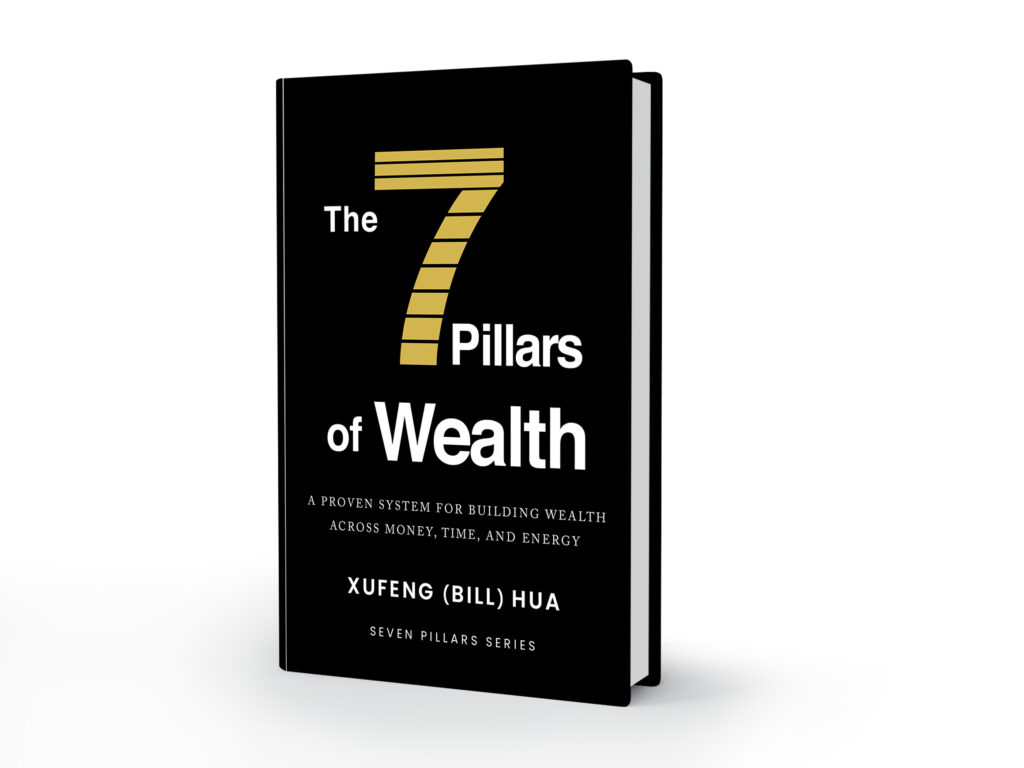
One of the ideas behind The 7 Pillars of Wealth is that compounding doesn’t just apply to money. It applies to skills, relationships, reputation, health, and many of the things that ultimately shape a life.
If you’d like to explore these ideas further, you can find the book here: http://amzn.to/4tTl5gL
Enjoy essays like this? Join the newsletter.